What Makes Kilimanjaro National Park Special?
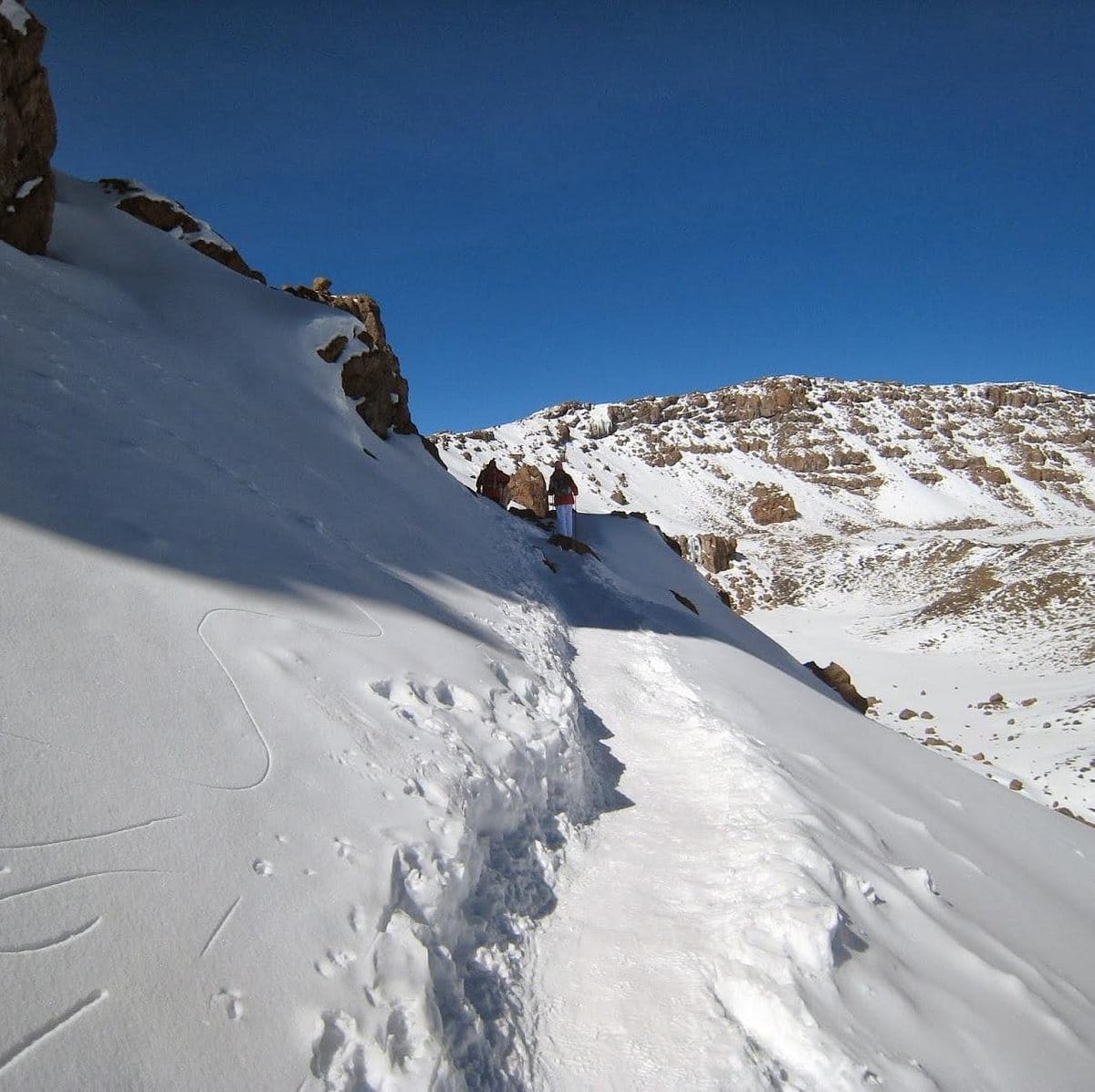
Mount Kilimanjaro: Of course, the main highlight of the park is Mount Kilimanjaro, an awe-inspiring dormant volcano that towers over the surrounding landscape at 5,895 meters (19,341 feet). The mountain’s snow-capped peak is visible from miles away, creating a dramatic backdrop to the park’s landscapes. It is a UNESCO World Heritage Site and one of the most famous mountains in the world to climb.
Biodiversity: Despite being known for its mountains, Kilimanjaro National Park is home to a surprising amount of wildlife, particularly in the lower forested slopes. As you ascend the mountain, you’ll pass through different ecological zones, from tropical rainforests to alpine deserts, each supporting distinct plant and animal life.
A Trekking Destination: Kilimanjaro is one of the most popular trekking destinations in the world. The trek to the summit is a challenging and rewarding adventure, with various routes, such as Marangu, Machame, and Lemosho. The park attracts thousands of climbers each year who come to experience the thrill of reaching the “Roof of Africa.”
Best Activities to Do in Kilimanjaro National Park
Climbing Mount Kilimanjaro: Climbing Mount Kilimanjaro is the primary activity in the park. There are several routes, each offering a different experience regarding difficulty, scenery, and duration. The Marangu Route is the most popular, often called the “Coca-Cola Route” because of its hut accommodations. The Machame Route offers a more challenging trek with stunning views, while the Lemosho Route is known for its scenic beauty and is considered one of the best routes for acclimatization. The trek typically takes 5 to 9 days, depending on the route.
Hiking and Trekking in the Lower Slopes: For those not ready to summit, several shorter treks and hikes are available in the lower parts of the mountain. These hikes offer stunning views of the mountain, the surrounding rainforest, and the wildlife that inhabits the park. You can trek through the rainforest zone, where you might see monkeys, bird species, and unique plant life.
Nature Walks and Guided Tours: The lower slopes of Kilimanjaro offer nature walks. These walks provide an opportunity to learn about the diverse ecosystems, endemic plants, and surrounding landscapes. Experienced guides lead these tours, providing insights into the area’s history, geology, and ecology.
Bird Watching: Kilimanjaro National Park is home to over 180 species of birds, including several endemic species. The park’s varied habitats, ranging from rainforest to alpine meadows, attract a wide range of birds, making it an excellent destination for birdwatchers. Mountain buzzards, black-and-white colobus monkeys, and eagles are just some species you might encounter.
Cultural Visits: Visiting nearby Chagga villages is an opportunity to experience the local culture and history. The Chagga people, who have lived on the slopes of Kilimanjaro for centuries, offer insights into their traditions, agriculture, and ways of life. Some tours also include visits to local farms and historic sites.
What to Expect on a Game Drive
While Kilimanjaro National Park isn’t typically known for game drives, the lower parts of the park (particularly near the base of the mountain) offer an opportunity to see some wildlife. Expect to encounter elephants, buffaloes, and various species of antelope. The park is also home to monkeys, including blue and colobus monkeys, and other animals inhabiting the lush forest areas. However, the main attraction is the hiking and trekking experience, rather than traditional game viewing.
Speak with us to plan your dream journey to Africa.